Early Gender DNA Tests: Understanding Accuracy and Timing (7+ Weeks)
Are early gender DNA tests accurate? Learn the science behind clinical blood draws at 7 weeks and why they beat at-home kits.


There is a revolution happening in prenatal care. Just a few years ago, parents had to wait nearly five months to discover if they were having a boy or a girl. Today, science allows us to peek into the future before you’re even showing! But with new technology comes new questions, specifically regarding the early gender dna test.
If you are considering a blood test to find out your baby’s gender, you probably want to know: Is it really accurate? Is it safe? Should I just do it at home? At Baby Studio 4D, we provide clinical DNA testing for families every day. In this post, I will break down the science of fetal DNA so you can confidently decide if early testing is right for you.
(Note: The DNA testing offered at our studio is for gender identification only and does not replace medical genetic screening or NIPT testing performed by your doctor.)
How Does Cell-Free Fetal DNA Work?
When you become pregnant, a remarkable biological exchange begins. The placenta, which nourishes your baby, naturally sheds microscopic fragments of DNA into your bloodstream. This is known as cell-free fetal DNA (cffDNA).
By drawing a small sample of the mother’s blood, laboratory technicians can separate her DNA from the baby’s DNA. They are looking for one specific thing: the Y chromosome.
Because mothers only carry X chromosomes, the presence of a Y chromosome in the blood sample is a definitive indicator that a baby boy is growing in the womb! If there is no Y chromosome detected, it indicates a baby girl. This method is the foundation of our comprehensive guide to finding out your baby’s gender.
The Accuracy: Why Clinical Beats At-Home
You might have seen advertisements for at-home gender test kits. They seem convenient, but they carry a massive hidden risk: contamination.
If you perform a finger prick at your kitchen table, you risk exposing the sample to male DNA. If your husband recently touched the table, if your toddler son is sitting nearby, or even if your male dog shakes his fur, microscopic male DNA can contaminate your blood sample. The lab will detect that Y chromosome and give you a false “Boy” result!
This is why we strongly advocate for clinical blood draws. When you visit us for the Peekaboo early gender blood test, a trained professional draws blood directly from your vein in a sterilized environment. This eliminates environmental contamination, resulting in an incredible 99.9% accuracy rate.
The Timing: When is it Best to Test?
While some tests market themselves as accurate at 6 weeks, timing is crucial. If you test too early, there might not be enough fetal DNA circulating in your blood for the lab to detect. This doesn’t mean the test is broken; it just means the sample is inconclusive.
To avoid having to redraw blood, we recommend testing right around the 7-week mark, after your doctor has confirmed your gestational age with a dating ultrasound. For a full breakdown of the pregnancy timeline, read our post on when you can find out baby’s gender.
What If I Want an Ultrasound Instead?
Many mothers choose the DNA test for its speed but still crave the visual experience. You don’t have to choose just one! We have an excellent breakdown of the pros and cons in our article comparing gender blood tests vs ultrasounds.
Often, families will do the blood test at 7 weeks to satisfy their own curiosity, and then book a 15-week ultrasound to get the video footage for their big reveal party.
Conclusion
Early gender DNA testing is a marvel of modern science that brings joy to parents months earlier than previously possible. By choosing a clinical draw over an at-home kit, you guarantee the highest level of accuracy and peace of mind. For more insights, visit our ultimate gender reveal guide.
Ready to find out the gender? Schedule your clinical blood draw with us today!
Frequently Asked Questions
Frequently Asked
Can a DNA gender test be wrong?
Why is a clinical draw better than an at-home kit?
Does the DNA test tell me about the baby’s health?
How long do DNA gender results take?
Every milestone
deserves to be
seen clearly.
Bronze
- 2D Ultrasound Session
- Black & White Printed Pictures
- Hear Baby's Heartbeat
- Baby Growth Measurements
Silver
- 2D Ultrasound Session
- Boy or Girl Reveal
- Gender Confirmation
- 3D Image (if baby cooperates)
- Digital Pictures (Momitalk)
Gold
- 3D / HD Ultrasound Session
- Gender Confirmation
- Digital Pictures (Momitalk)
- 5 Color Pictures Printed
- Baby Growth Measurements
Platinum
- 3D / 4D / 5D / HD Session
- Gender Confirmation
- Digital Video & Pictures
- 8 Color Pictures Printed
- Baby Growth Measurements
Mommy Bundle
- Gender Confirmation
- Hear Heartbeat
- 6 Color + Digital Pictures
- Unlimited Digital Video
- 8K Hyperrealistic Image
- Small Bear with Baby's Heartbeat
- Full Baby Growth Report
Gift Card
Choose a package for your loved ones, or for that special someone you want to treat.
Bilingual sonographer based in Raleigh, NC. Six years of experience guiding families through their first 3D, 4D, and 8K HD ultrasound sessions — written here as field notes from the studio.
More from the journal
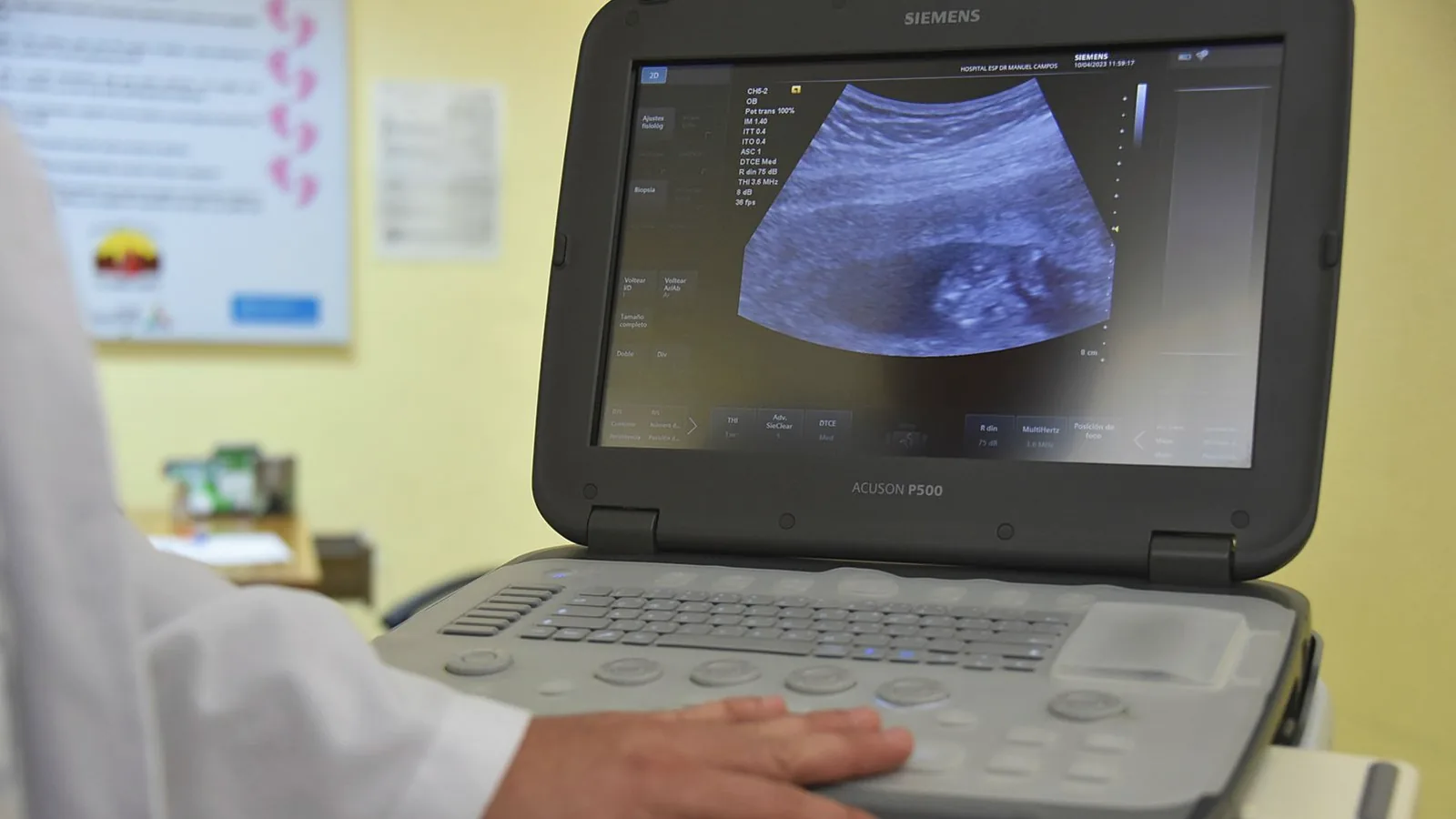
When Can You Find Out Baby’s Gender? All the Methods by Week
Wondering when to find out baby gender? From 6-week DNA blood tests to 15-week ultrasounds, discover the compl…
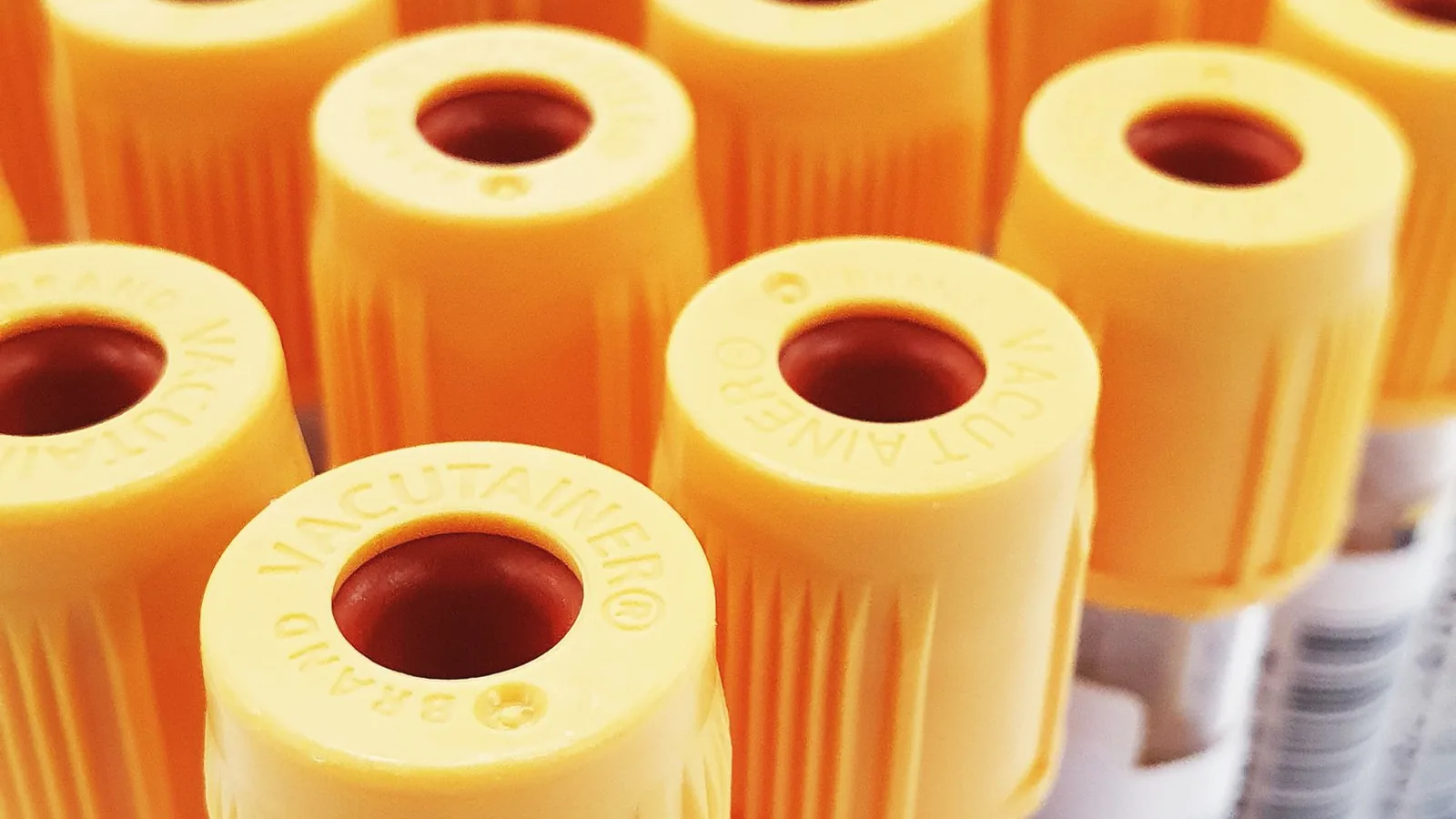
Peekaboo Early Gender Blood Test: How It Works (99.9% Accuracy)
Learn how the Peekaboo gender test works. Find out if you’re having a boy or girl as early as 6 weeks with 99.…

Boy or Girl? Old Wives’ Tales vs Modern Science Compared
Heart rate, cravings, or carrying high? We compare old wives tales gender predictions against modern science, …
Ready to meet your baby?
Over 1,000 families have already shared their first moments with us. Yours could be next.
Book your session →